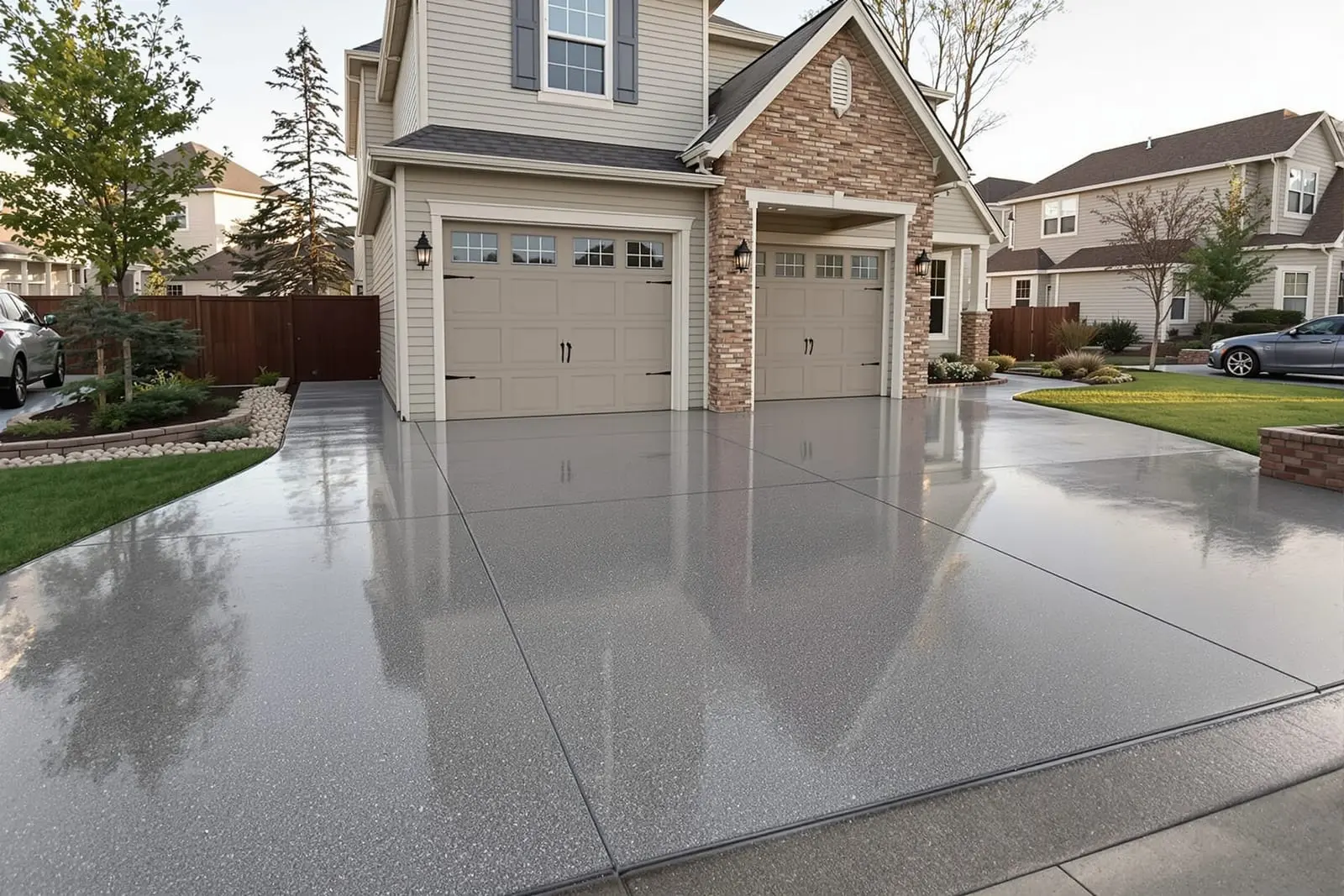
We install concrete garage floors in Little Rock, AR that can handle heavy vehicles and daily use. Our team pours and finishes level slabs with proper thickness and reinforcement. We also upgrade basement concrete floors for storage and living spaces. Ask about coating or sealing options for added protection and easier cleaning.
Primetime Concrete Little Rock provides professional concrete garage floor throughout Little Rock, AR and the surrounding area. Our licensed, insured crew delivers safe, clean, on-time work with a free estimate before anything begins. Call (501) 441-4583 or request your free quote.
Durable concrete garage floors for Little Rock homes
A concrete garage floor has to do more than just look smooth. In Little Rock it must handle temperature swings, humidity, road salt, and hot tires from summer heat. At Primetime Concrete Little Rock we pour garage slabs that are built specifically for these conditions so you get a surface that stays flat, safe, and easy to clean for years.
When we visit your home, we start by checking your existing slab and the soil around it. Clay-heavy soils that are common around Little Rock expand and contract with moisture, which can cause cracking or settled spots in a poorly built floor. We look for signs like uneven sections, water pooling near the garage door, or cracks that go all the way through the slab. This helps us decide whether you need a full replacement, partial demo and repour, or a resurfacing solution.
We also talk through how you use your garage. A homeowner who parks a truck and stores lawn equipment needs a different finish than someone turning the space into a home gym or hobby shop. By matching the concrete mix and surface texture to your actual use, Primetime Concrete Little Rock can build a garage floor that is both tough and comfortable to live with every day.
How we install a long lasting concrete garage floor
Good garage slabs start with a stable base. We remove old concrete or soft material, then compact the subgrade in thin lifts with plate compactors so the soil is dense and uniform. In areas with softer or disturbed soil, we may add several inches of crushed stone to help drainage and reduce movement. This step is critical in Little Rock neighborhoods where fill dirt was brought in when the house was built.
Next we install forms and set elevations so your finished floor drains slightly toward the door or a floor drain. A typical slope is about 1/8 inch per foot, which is enough to move water without feeling slanted underfoot. We then place a heavy plastic vapor barrier where appropriate, especially if future floor coatings or living space is planned above the garage.
Reinforcement comes next. For most garage floors in Little Rock we use fiber reinforced concrete combined with either welded wire mesh or rebar in higher load areas, such as where a truck or boat will sit. Proper spacing and supports keep the steel in the middle third of the slab, not sitting on the ground where it cannot do its job.
When it is time to pour, we use a concrete mix designed for garage duty, typically 4,000 psi or higher with air entrainment to handle freeze-thaw cycles. Our crew places and levels the concrete with screeds, then bull floats it to bring up a cement paste for finishing. We cut control joints at planned intervals to help control where minor shrinkage cracks form. Finally, we apply a curing method suited to the season so the surface gains strength evenly and resists early cracking.
Basement concrete floors that stay dry and usable
Basement floors have different challenges than garages. Moisture is the big one. In many Little Rock homes, the basement is partly below grade, so we pay close attention to water control before any new concrete goes down. Primetime Concrete Little Rock looks for signs of hydrostatic pressure, musty smells, or previous water lines on the walls, and we recommend drainage or waterproofing measures if needed before pouring.
When we install or replace a basement slab, we start with grading and compacting the base, then we add washed gravel to help move any ground moisture toward a drain system if one exists. A continuous vapor barrier is placed on top of the gravel, with seams carefully overlapped and taped. This step helps keep moisture from wicking through your new slab and affecting flooring like vinyl plank or carpet.
For basements that will become living spaces, we typically pour a smooth, level slab with tighter flatness tolerances than a garage. That makes it easier to install finished flooring later. If the basement is used mainly for storage, we can suggest a slightly more textured finish for better traction. We can also pitch sections subtly toward a floor drain near mechanical equipment like water heaters, so small leaks do not spread across the entire floor.
Finish and design options for concrete garage and basement floors
A basic broom finish is a smart, budget conscious choice for most concrete garage floors in Little Rock. The light texture helps with traction when the surface is wet or when dust builds up. For homeowners considering a future epoxy or polyurea coating, we can finish the slab with a tighter trowel and specific profile that helps coatings bond more reliably.
In basements, more decorative options are common. Primetime Concrete Little Rock can polish and densify the concrete for a low maintenance, modern look that resists staining and dusting. We can also apply colored stains or dyes and protective sealers to create floors that look more like stone or mottled tile. For families planning to use the basement as a playroom or home office, we discuss which sealer or coating is less slippery, easier to clean, and compatible with any rugs or glued down flooring you might add later.
Edge details matter too. In garages, we can add a small curb around the perimeter to help contain spills and to give a clean transition to the framed walls. At the garage door, we pay attention to how the concrete meets the driveway so you do not end up with a tire catching lip or a spot where water backs toward the house. In basements, we make sure floor elevations align with stairs and door thresholds so there are no trip hazards when you finish out the space.
Cost factors and timing for Little Rock concrete floor projects
The price of a new concrete garage floor or basement floor in Little Rock depends on several real world factors. The biggest is preparation. Removing thick, reinforced old concrete, hauling debris from tight access areas, or fixing drainage issues before pouring new concrete all add time and materials. Soil conditions and needed base rock also influence cost, especially on homes built on fill or near slopes.
Thickness and reinforcement play a role. A typical residential garage floor might be 4 inches thick, but if you own heavier vehicles or a workshop with large equipment, we may recommend thicker sections or added rebar. In basements, additional costs can come from moisture mitigation work, such as installing or tying into a perimeter drain system.
Timing matters in our climate. In Little Rock, the most predictable months for concrete work are typically late March through early June and late September through early November, when temperatures and humidity allow for more controlled curing. Summer projects can still be done, but we adjust mix designs and curing practices to account for faster surface drying in high heat. Winter work may require scheduling around cold snaps or using protection so the slab cures properly. When you call Primetime Concrete Little Rock, we will discuss your ideal timeline and talk frankly about what the weather means for your specific garage or basement project.
What to expect when you hire Primetime Concrete Little Rock
From the first visit, we focus on clarity. We start with a site walkthrough, measurements, and a discussion about how you want to use your garage or basement. We explain options in plain language, including what can be done with your existing slab and where a full replacement would be a better long term value. You receive a written proposal that lists scope, thickness, reinforcement, finish type, and any moisture or drainage work included.
Before work begins, we coordinate utility checks and discuss where our crew will stage materials and equipment. During demolition and pouring, we protect nearby surfaces and try to keep access to the rest of your home as open as possible. Concrete work is inevitably noisy and a bit dusty, but good planning keeps disruption reasonable.
After the pour, we guide you through curing and use. For a new concrete garage floor, we usually recommend keeping vehicles off for about 7 days and avoiding heavy point loads for up to 28 days while the slab reaches design strength. In basements, we discuss when you can safely install flooring or move heavy furniture back. We also explain how to maintain your new surface, from simple cleaning routines to when to reseal. Our goal at Primetime Concrete Little Rock is that you do not just get a new concrete floor, you understand how it was built and how to keep it performing well for years.
“
Professional garage & basement concrete floors, done right the first time, quality materials, honest pricing, and results that last.
Primetime Concrete Little Rock
Garage & Basement Concrete Floors Across Our Service Area